Source Offset Printing Aluminum Glue Tube for Cosmetics, Medicine, and Food
Find 30 options for offset printing aluminum glue tube suitable for cosmetics, medicine, and food packaging. Compare specifications like diameter, color options, and certification to identify the right supplier for your bulk procurement needs; compare the available evidence and request quotations based on your requirements.
Key considerations
Products List




Comprehensive Sourcing Guide
Offset Printing Aluminum Glue Tube Sourcing Guide
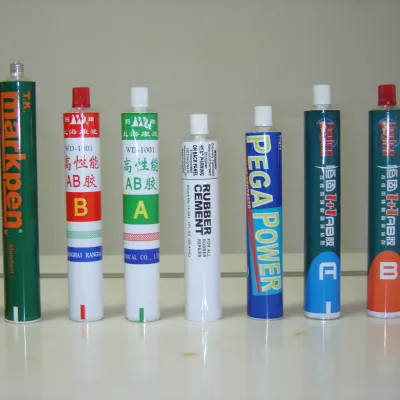
Procuring offset printing aluminum glue tubes requires a strategic approach that balances aesthetic customization with functional integrity. These containers are widely used in the cosmetics, medicine, food, and chemical industries, offering a premium look that enhances brand visibility on retail shelves. The aluminum material provides excellent barrier properties, protecting sensitive formulations from light and air, while the offset printing process allows for high-resolution graphics and vibrant color reproduction. Buyers must carefully evaluate the interplay between the tube’s structural durability and the complexity of its surface design to ensure the final product meets both marketing and logistical demands.
The sourcing landscape for these tubes is characterized by significant variability in minimum order quantities and production timelines. Suppliers often cater to large-scale operations, with typical minimum order quantities starting at thirty thousand pieces, which can impact cash flow for smaller brands. However, the availability of free samples and rapid sample turnaround times of five to seven days allows buyers to validate quality before committing to full production runs. Understanding these commercial constraints is essential for effective supply chain planning, ensuring that inventory levels align with sales forecasts while minimizing storage costs and waste.
Product Scope and Observed Listing Signals
The observed market signals indicate a diverse range of aluminum tube options, primarily defined by their diameter and specific model numbers such as GFAT817, GFAT8103, GF8030, and GFAT850. These models support a wide spectrum of sizes, ranging from small diameters of 13.5mm up to larger formats of 40mm, accommodating various product volumes from 15ml to 200ml. This flexibility allows buyers to select the most appropriate container size for their specific product viscosity and branding needs. The presence of multiple model numbers suggests that suppliers offer specialized variants, each potentially tailored to different printing requirements or cap configurations, providing a broad toolkit for product development.
Color and finishing options are critical differentiators in this category, with suppliers offering CMYK printing capabilities of up to nine colors for certain models and one to six colors for others. Surface treatments include glossy or matte coatings, along with advanced finishing techniques like hot stamping and screen printing, which add tactile and visual appeal. The tubes are available in standard aluminum colors, and the inner coating can be customized to beige, golden, or left without coating, depending on the product’s chemical compatibility needs. These features enable brands to create distinctive packaging that stands out in competitive markets while ensuring the integrity of the contained substance.
Technical Specifications to Verify
When evaluating technical specifications, buyers must prioritize the compatibility between the tube material and the product formulation. The aluminum tubes often feature an inner coating, which is crucial for preventing chemical reactions between the metal and sensitive ingredients found in cosmetics, medicines, or chemicals. It is essential to verify whether the coating is beige, golden, or absent, as this directly impacts the shelf life and stability of the product. Additionally, the presence of latex in the cap or seal should be confirmed, especially for buyers requiring latex-free solutions for allergen-sensitive markets, ensuring that the packaging meets specific safety and regulatory standards for the target demographic.
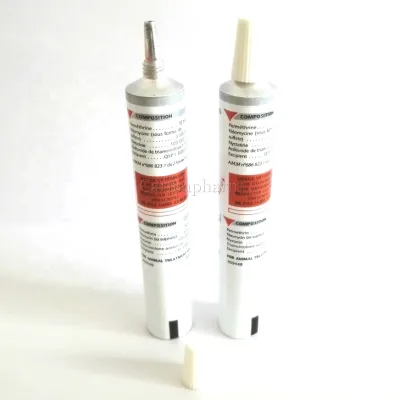
The mechanical design of the tube, including the cap and nozzle configuration, plays a vital role in user experience and product dispensing. Options range from plastic screw caps to various nozzle types, including round, metal, pin, octagonal, and flower shapes, allowing for precise control over product application. The closure mechanism can be either open or close, influencing how the tube is sealed and stored. Buyers should also consider the printing process, with offset printing being a common method that supports high-quality graphics, and verify that the chosen model supports the desired number of colors and finishing techniques to achieve the intended brand aesthetic.
Compliance and Safety Documentation
Compliance with international standards is a non-negotiable aspect of sourcing aluminum glue tubes, particularly for products intended for cosmetic, medicinal, or food use. Suppliers often provide certifications such as ISO and FSC, which indicate adherence to quality management systems and responsible sourcing practices. Buyers should request and verify these certification documents to ensure that the manufacturing process meets recognized industry benchmarks. The presence of ISO certification suggests a structured approach to quality control, while FSC certification may relate to the paper-based packaging components, such as cartons or pallets, ensuring that the entire supply chain aligns with sustainability and ethical sourcing principles.
Safety documentation must also address the materials used in the construction of the tubes and their closures. For instance, the use of latex in caps or seals requires clear labeling and disclosure to comply with allergen regulations in various markets. Buyers should ensure that the supplier provides material safety data sheets or equivalent documentation that details the composition of the aluminum, coatings, and any additives used in the printing inks. This due diligence helps mitigate risks associated with chemical migration or allergic reactions, protecting both the brand’s reputation and the end consumer’s health, especially when dealing with products that come into direct contact with skin or are ingested.
Cost Drivers and Commercial Terms
The cost of offset printing aluminum glue tubes is influenced by several key factors, including the complexity of the printing design, the number of colors used, and the chosen surface finishes. High-color-count printing and specialized finishes like hot stamping or screen printing typically increase production costs due to the additional labor and material requirements. Buyers should carefully balance their aesthetic ambitions with budget constraints, considering whether multi-color designs are essential for their brand identity or if simpler, single-color prints can achieve the desired impact at a lower cost. Understanding these cost drivers allows for more accurate budgeting and prevents unexpected expenses during the production phase.
Commercial terms, particularly minimum order quantities and production lead times, significantly impact the overall procurement strategy. With MOQs often set at thirty thousand pieces and production times ranging from twenty-five to thirty-five days, buyers must plan their orders well in advance to avoid stockouts or excess inventory. The availability of free samples and quick sample turnaround times can help streamline the approval process, reducing the time from design to production. Additionally, packaging methods, such as polybags, eggcrate cartons, or enhanced corrugated cartons with pallets, affect shipping costs and handling efficiency, so buyers should negotiate terms that optimize both cost and logistics.
Supplier Qualification and Quality Control
Supplier qualification is a critical step in ensuring the reliability and consistency of aluminum glue tube supplies. Buyers should assess the supplier’s manufacturing capabilities, including their experience with offset printing and their ability to handle complex designs and finishes. Verifying the supplier’s location, such as Guangdong, China, can provide insights into the local supply chain ecosystem and potential logistical advantages. It is also important to evaluate the supplier’s quality control processes, including their methods for inspecting raw materials, monitoring production stages, and conducting final product checks to ensure that each tube meets the specified standards for print quality, structural integrity, and coating adhesion.
Quality control measures should extend to the packaging and shipping processes to prevent damage during transit. Suppliers often use enhanced corrugated cartons and pallets to secure the tubes, but buyers should verify that these methods are appropriate for their specific shipping routes and handling conditions. Requesting detailed quality assurance protocols and inspection reports can provide confidence in the supplier’s ability to maintain consistent quality across large production runs. Additionally, establishing clear communication channels and regular updates during the production process can help identify and resolve any issues promptly, ensuring that the final delivery aligns with the buyer’s expectations and requirements.
Long-Term Procurement Checks
Long-term procurement success depends on establishing a robust relationship with suppliers that prioritizes continuous improvement and adaptability. Buyers should regularly review supplier performance metrics, including on-time delivery rates, defect rates, and responsiveness to issues, to identify areas for improvement. Maintaining open communication and providing constructive feedback can help suppliers refine their processes and better align with the buyer’s evolving needs. Additionally, staying informed about industry trends and technological advancements in tube manufacturing and printing can enable buyers to make informed decisions about future product developments and packaging innovations, ensuring that their offerings remain competitive in the market.
Sustainability and regulatory changes are also key considerations for long-term procurement strategies. As environmental regulations become more stringent, buyers should prioritize suppliers who demonstrate a commitment to sustainable practices, such as using recyclable materials and obtaining relevant certifications. Monitoring changes in consumer preferences and regulatory requirements can help buyers anticipate shifts in demand and adjust their sourcing strategies accordingly. By proactively addressing these factors, buyers can build a resilient supply chain that supports their brand’s growth and reputation while minimizing risks associated with environmental and regulatory compliance.
FAQs
What customization options are available for these aluminum tubes?
Customization is available for these aluminum tubes to meet specific branding needs. Buyers can select from various colors, shapes, and surface treatments like glossy or matte finishes. Printing options include CMYK up to nine colors or screen printing with hot stamping for detailed designs.
Which certifications do the aluminum glue tubes hold?
The aluminum glue tubes hold ISO, CE, and FSC certifications to ensure quality and safety standards. These certifications verify that the manufacturing processes meet international requirements for materials and environmental impact. Buyers can rely on these credentials for compliance in regulated industries like cosmetics and medicine.
How long does it take to receive samples of the tubes?
Samples are available for free and typically take five to seven days to prepare. This sample time allows buyers to evaluate the product quality before placing a larger order. The production time for bulk orders generally ranges from twenty-five to thirty-five days after sample approval.
What is the minimum order quantity for these aluminum tubes?
The minimum order quantity is thirty thousand pieces for most product models. Some specific models may have a minimum of thirty thousand pieces as well. Buyers should note that this MOQ applies to standard customization options and may vary slightly based on specific packaging requirements.
Can these tubes be used for food and chemical products?
Yes, these tubes are suitable for cosmetics, medicine, food, toothpaste, and chemical applications. They feature inner coatings like beige or golden options to protect contents. The aluminum material ensures durability and recyclability, making them versatile for various industrial and consumer packaging needs.
What printing methods are supported for these aluminum tubes?
Supported printing methods include offset printing, screen printing, and hot stamping. Buyers can choose from CMYK up to nine colors or specific color ranges like one to six colors depending on the model. Surface treatments also allow for glossy or matte finishes to enhance visual appeal.
Where are these aluminum tubes manufactured and shipped from?
These aluminum tubes are manufactured in Guangdong, China, and other regions within China. The products originate from mainland China and are packed in polybags, cartons, or pallets for safe shipping. Buyers can expect reliable logistics from these established manufacturing locations.